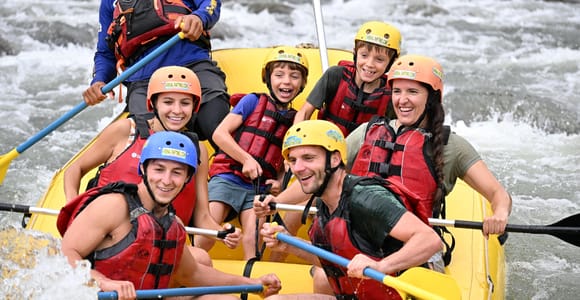
Río Balsa Rafting: Class 2/3 or Class 3/4?
Updated October 24, 2026 · 6 min read
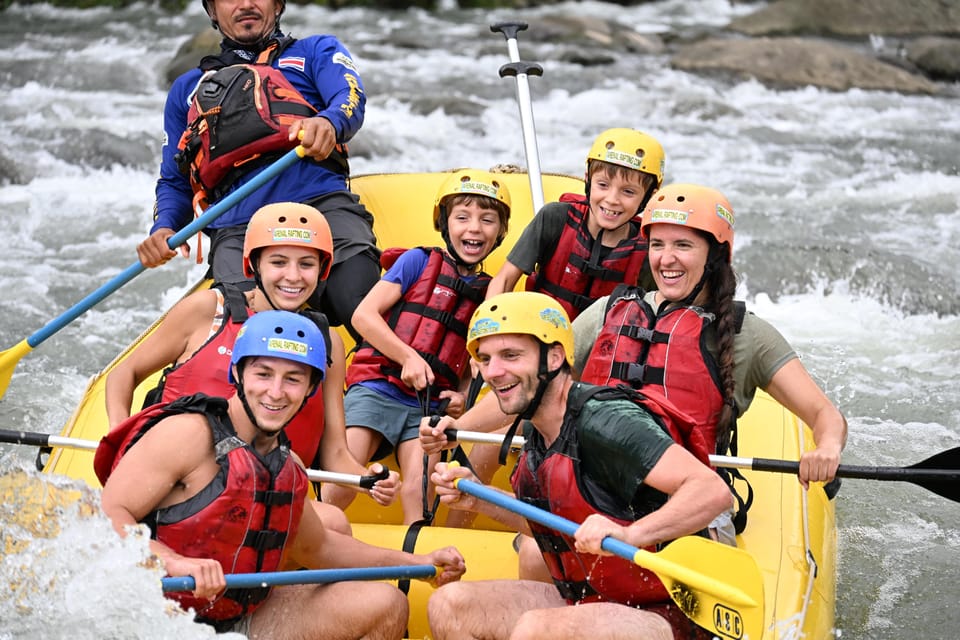
Choose Class 2/3 for a first rafting trip or a mixed-confidence group; choose Upper Balsa Class 3/4 only when everyone actively wants stronger rapids and meets the operator’s requirements. The Class 2/3 Balsa trip starts at €58.02 and the Upper Balsa Class 3/4 trip at €74.65. Both list 5 hours; difficulty, not schedule, should decide.
What the class changes
The numbers describe sections of white water, not the quality of the tour. Class 2/3 still means paddling, splashes and following commands; it is not a scenic float. Class 3/4 brings more forceful and technical rapids. River level and weather can change how a section feels, and the operator decides whether conditions are suitable.
Do not choose the upper section merely because the larger number appears better value. A nervous paddler affects the whole crew. Conversely, confident active travellers may find the lower section too restrained. Read the current restrictions on age, swimming ability, health and footwear on the booking page; this article does not invent a universal minimum age.
Side-by-side
| Trip | From | Duration | Listing detail | Best for |
|---|---|---|---|---|
| Balsa Class 2/3 | €58.02 | 5 hours | 10 kilometres, rest/swim stop and fruit | First-timers and mixed groups |
| Upper Balsa Class 3/4 | €74.65 | 5 hours | Stronger upper-river rapids | Confident adventure seekers |
The €16.63 difference is not an upgrade in comfort. It buys access to the harder itinerary. Included food, transport, photographs and equipment can vary by option, so confirm them for the selected date.
Who should pause before booking
Anyone uncomfortable in moving water should speak to the operator before paying. The Class 2/3 booking page lists pregnant women and people with mobility impairments under “Not suitable for”; the Upper Balsa page adds people with heart problems and wheelchair users. For a recent injury or a condition affected by impacts or exertion; ask a qualified professional rather than relying on travel advice. If one member of your party is reluctant, splitting the day may be wiser than pressuring the group into Class 3/4.
For families, the operator’s stated age and size limits are decisive. They can differ between river sections and with conditions. A life jacket and guide reduce risk but do not turn white water into a guaranteed safe environment.
What to bring and expect
Wear clothes and secured footwear that can get soaked. Leave valuables behind unless the operator provides protected storage. Listen to the safety briefing even if you have rafted elsewhere; commands and boat positions vary. The advertised 5 hours include more than time in rapids, such as transfer, fitting equipment and stops.
For most visitors, the Class 2/3 Balsa trip is the better recommendation: it delivers real white water without making maximum difficulty the point. Choose Upper Balsa only when every participant understands the stronger classification and the operator confirms eligibility.